Our commitment to social impact is one of our core values. It continues to guide us as we grow and evolve.
2025 Social Impact Report
LP’s charitable commitments support organizations with a strong multiplier effect, ensuring our contributions have the greatest possible impact on the community.
1
Social Impact
A Few Words from LP Managing Partner Jeffery Hoffenberg

Dear Friends,
At LP, we are guided by a core value: to be of service. This commitment drives us not only to deliver an exceptional client experience but also to support the communities where we live and work by partnering with organizations that create meaningful social impact.
Each year, we share this report to amplify the work of our grant partners, selected not for their beliefs but for their profound impact on the community. These organizations – Catholic Charities Chicago, Cristo Rey Jesuit High School’s Corporate Work Study Program, Greater Chicago Food Depository’s Job Training Programs, and Jewish United Fund – are dedicated to empowering individuals to learn, grow, and thrive. We are honored to share stories of the powerful ways they are transforming lives, families, and communities.
This report also highlights some of the pro bono legal services LP provides to individuals and organizations, including an Afghan national who fled the Taliban when the government fell in August 2021, as well as the LP team members who champion causes independently through leadership roles in charitable and civic organizations.
We are deeply grateful for the exceptional contributions and impact of the organizations featured in this report, and we are proud to support them. Our corporate social responsibility efforts would not be possible without you, and we appreciate your continued partnership.
On behalf of everyone at LP, thank you.
Jeffery Hoffenberg

2
Grant Programs
The bulk of LP’s charitable commitments are dedicated to four organizations with a strong multiplier effect. These are their stories.
Grant partner since 2022.
Catholic Charities of the Archdiocese of Chicago’s Human Services Programs
LP’s grant to support Catholic Charities of the Archdiocese of Chicago (CCAC) Immediate Needs and Domestic Violence Programs helps address urgent needs for people in crisis, such as food, clothing, and other essentials.
A Q&A with Colleen Kennedy, Vice President – Institutional Advancement at CCAC
What are the core services you provide?
As the largest human services provider in the Chicagoland area, CCAC provides essential short-term assistance and long-term solutions, empowering individuals and families to build more stable, hopeful futures. CCAC’s Immediate Needs and Domestic Violence Programs provide an entry point to deeper, long-term support that addresses the root issues of instability.
Can you tell us about some of your most impactful programs?
Our community resource programs include community suppers, case management services, food assistance, and direct financial assistance for emergency needs, including rent, mortgage, and utility payments; burial and funeral expenses; car repairs; transportation needs; and more. Through these programs, over 110,500 individuals accessed essential items such as clothing, diapers, school supplies, holiday gifts, and nourishing meals across Cook and Lake counties.
CCAC also offers domestic violence survivors care, extending from immediate crisis response to long-term healing, that prioritizes safety, stability, and dignity. Programs include Domestic Violence Counseling and two campuses, which provide safe housing, emotional support, and a path toward independence for hundreds of survivors in Cook and Lake counties.
This fiscal year, 48 individuals found refuge, healing, and guidance at our Cook County campus, a place of hope and healing for mothers and children escaping domestic violence. A new 12-week financial management program was launched to help mothers gain the knowledge and confidence to manage their finances and build savings. While participating in our residential programs, 87% of mothers secured stable income, enabling them to save, plan, and take meaningful steps toward lasting stability.
Additionally, to strengthen our residential programs and help families thrive, the team hosted activities over the past year, including parenting and behavioral health education, meditation, self-care classes, arts and crafts, and seasonal celebrations. On average, more than 30 mothers and their children participated in each gathering. For instance, our Cook County campus hosts a knitting club, which meets every Wednesday morning. The moms call it their “me time,” and proudly share their knitted hats, scarves, headbands, aprons, and ponchos—along with many smiles and hugs.
Are there any notable updates to your programs you’d like to share?
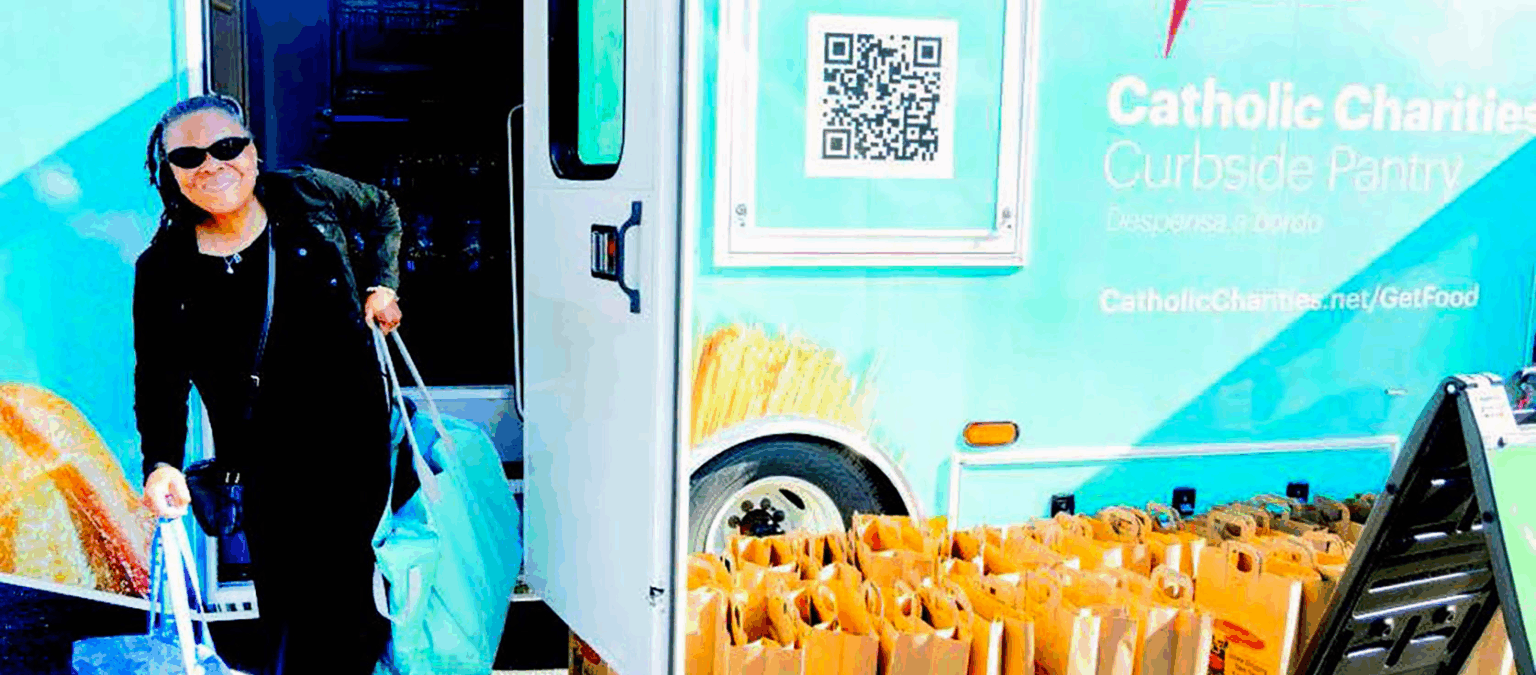
On October 16, 2025, Catholic Charities launched its first mobile food pantry truck—the Curbside Pantry—to bring access to nutritious food and essential goods to underserved communities in the Chicagoland area. The pantry launched in Park Forest and served more than 90 families on its first day.
In partnership with the Greater Chicago Food Depository, the Curbside Pantry offers visitors a variety of essentials, including milk, eggs, fresh fruits and vegetables, bread, frozen chicken and fish, canned foods, juices, cereal, rice, pasta, beans, and peanut butter. Residents are not charged for using the food pantry. Catholic Charities case managers are also on site at the Curbside Pantry, allowing pantry visitors to connect with other programs and resources that address their additional needs.
What are your 2026 goals and priorities?
This year, CCAC will deepen our commitment to meeting urgent needs while building long-term solutions that strengthen and empower the people, families, and communities we serve. We are launching a campaign to address deep needs in the community and also ensure long-term financial stability.
In response to uncertainty around SNAP benefits and the rising cost of food, we are investing in programs that serve as a vital part of the social safety net. Initiatives like our Curbside Pantry, community pantries, and community suppers are designed to reduce barriers to access and ensure families can put nourishing meals on the table.
Beyond addressing immediate needs, we are also investing in our programs that support long-term growth and well-being. Some of these include:
- Programs that provide critical care and healing for mothers and families.
- Housing stability programs that tackle the root causes of homelessness and help families build financial security.
- Senior services, such as care coordination, that enable older adults to live independently and with dignity in their own homes.
As many carry enormous burdens amid the increasing uncertainty, division, and fear surrounding us, at Catholic Charities, we have chosen to respond with hope.

Just the Facts
53,000+
people in crisis received support from case managers, were referred to critical services, and/or received direct financial assistance.
25,000+
people were served warm
meals in FY2025.
$2 million+
in direct financial assistance was provided for emergency needs, including assistance with rent, mortgage, and utility payments, burial and funeral expenses, car repairs, transportation needs, and more.
Get in Touch
If you are interested in supporting Catholic Charities or learning more, you can visit their website at catholiccharities.net.
Grant recipient since 2006.
Cristo Rey Jesuit High School’s Corporate Work Study Program
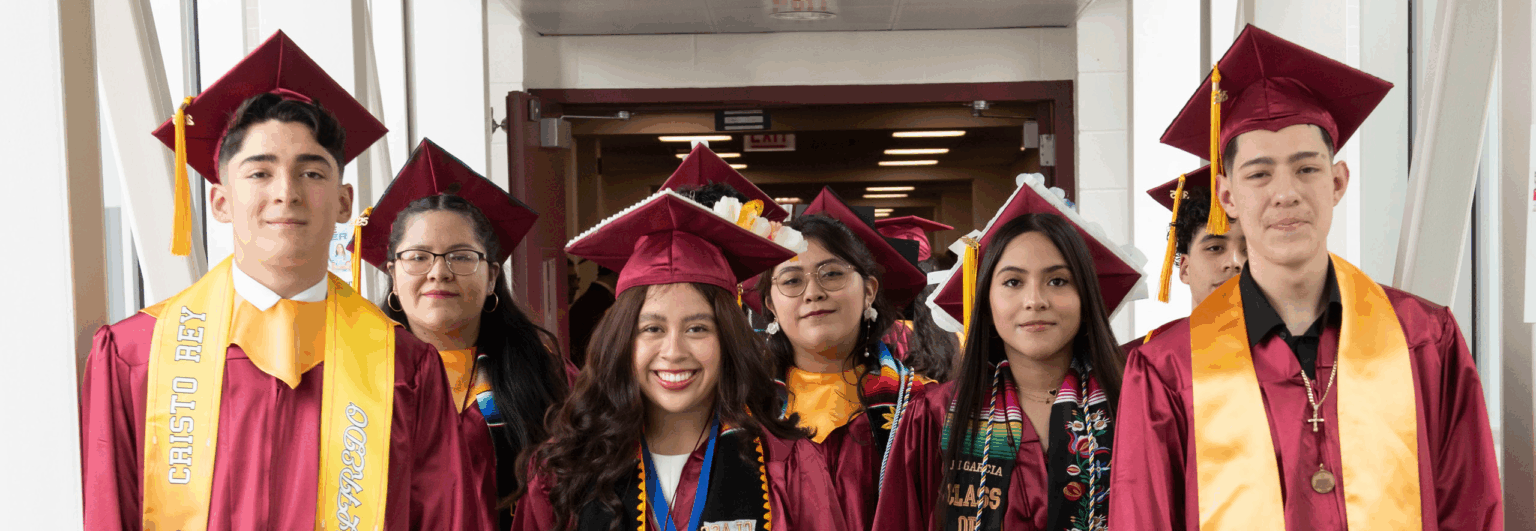
Working with LP, Cristo Rey Jesuit students gain valuable job-readiness skills and work experience along with a tuition scholarship.
A Q&A with Sahrish Russell, CWSP’s Senior Director

What does CWSP look like in 2025-26 school year?
Cristo Rey Jesuit takes a holistic approach to this transformative educational experience. All students complete a rigorous, dual-language, college-preparatory curriculum rooted in the liberal arts. This year, all sophomore, junior, and senior students are deployed to traditional job placements. This is an important accomplishment, as it marks the first full class deployment since 2019-2020. The students work at 92 partner companies across Chicagoland. New this year, the students who work downtown are now taking public transportation to and from their jobs, allowing them further independence as part of their work experience.
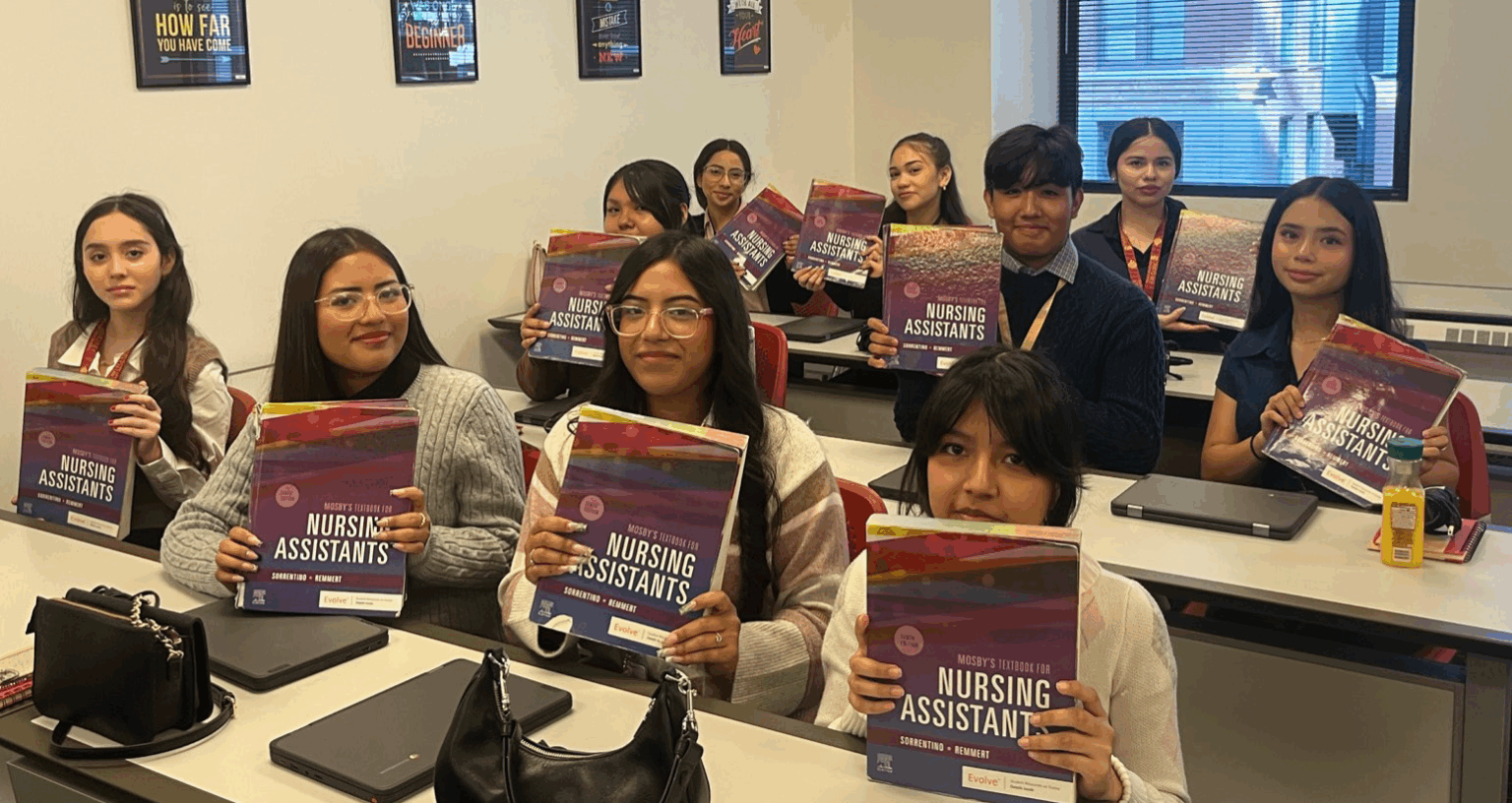
This is the second year of the Certified Nursing Assistant program’s incorporation into the career pathways initiative. The first cohort earned their CNA certification over the summer and are working at Loyola Medical Center. A second cohort is taking classes downtown through Valparaiso University and, pending certification, will begin work at the University of Chicago Medical Center next semester. The CWSP hopes to add more pathways in the future, allowing students to earn professional credentials while still in high school and launch their careers.
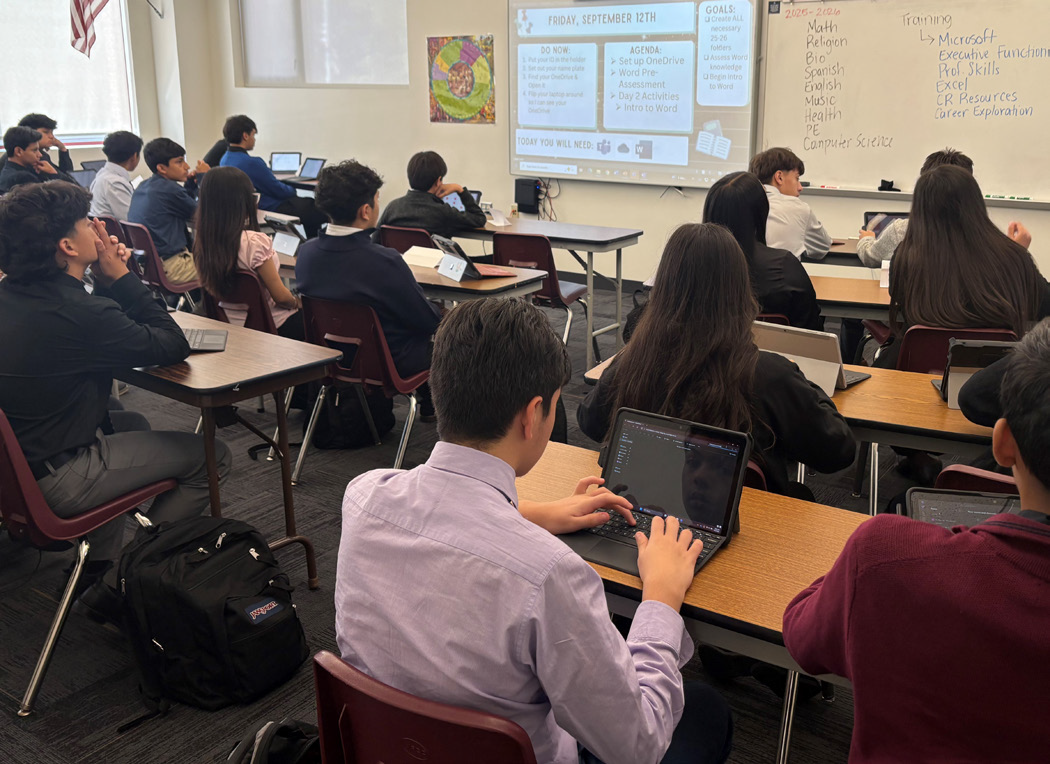
New this year, all freshmen participate in a First-Year Workforce Training Program in lieu of a traditional job placement. The goal of the training program is to give first-year students the opportunity to learn skills and practice with tools that will bring added value to our CWSP job partners in the future. The program integrates executive functioning and academic topics with workplace preparation, including courses in career exploration, technology training, and professional skills. While the program is designed to support students on their work journey, the development of executive functioning, technical, and resource skills will also lead to improved academic and socioemotional outcomes.
Q&A with Rachel Woods,
Human Resources Coordinator at LP

“It’s fulfilling to guide [the students] as they explore their interests, develop new skills, and begin to understand how their contributions can make a real impact.”
What do you enjoy most about working with students in the CWSP?
I really enjoy working with the students because it gives me the opportunity to support their growth and help them build confidence in a professional setting. It’s fulfilling to guide them as they explore their interests, develop new skills, and begin to understand how their contributions can make a real impact.
What do the students in the CWSP bring to the firm?
They consistently show enthusiasm and professionalism. Their dedication to learning and growing is evident in everything they do. They’ve already shown they can add value and offer fresh insights to the projects they’re involved in.
What do the students work on while at LP?
So far this year, the students have been supporting the HR and Marketing departments. A key part of their work has involved transitioning data as the firm moves to the new CRM software, an ongoing project. They’ve also contributed to HR initiatives, including designing graphics, brainstorming employee spotlight questions, and assembling new-hire gifts. Toward the end of the year, we’ll help them create resumes that reflect the skills they’ve developed and applied at LP.
Photos and quotes for this story were provided by Cristo Rey Jesuit High School.
Q&A with Jocelyn (a senior) and Emely (a junior), who are both working at LP through the CWSP


What do you enjoy most about the CWSP?
Jocelyn: Having the opportunity to have an internship while still in high school has been incredibly rewarding. It’s given me firsthand experience in a professional environment—working in offices, interacting with companies and coworkers, and taking on new responsibilities. This experience has helped me understand what it’s like to hold a real job and navigate the professional world.
Emely: What I enjoy most about CWSP is being able to have a job and make connections with the people I work with. I feel that this experience has helped me prepare to be professional and ready for the real world outside of school.
What skills have you gained through the CWSP?
Jocelyn: Throughout my internship, I’ve developed a variety of valuable skills. I’ve learned how to use tools like Excel and Canva, navigate different data systems, take effective notes, write professional emails, and communicate in a business setting.
Emely: The skills I have gained through CWSP include learning how to communicate effectively with others and staying focused on the tasks I am given.
What has been the biggest surprise about working at LP?
Jocelyn: I worked with the marketing team, helping revise and troubleshoot AI-related tasks. It’s been exciting to contribute to innovative projects and see how marketing and technology intersect.
Emely: The biggest surprise about working with LP has been seeing the different companies and types of jobs that people have.
How has the CWSP and working at LP impacted your in-school classes?
Jocelyn: This experience has taught me how to manage my time more effectively and set clear deadlines for completing tasks. One of the advantages is having a dedicated day off from school to work downtown in an office, which has made the experience even more enjoyable.
Emely: CWSP and LP have helped me become more mindful about completing my work and managing my responsibilities.
What are your post-high school plans and career goals?
Jocelyn: I plan to attend college and am considering pursuing a degree in marketing or advertising. I am still exploring options, but the internships have helped me learn more about what I am looking forward to in a career and have also sparked a strong interest in the field. Although I haven’t decided on a specific career yet, I’m leaning toward majoring in marketing. This internship has helped me see the possibilities and inspired me to learn more about the industry.
Emely: I also have plans for after high school. I have a few ideas of what I would like to do, such as pursuing a career in social media marketing or becoming a dental hygienist. I plan to attend college, and my ultimate goal is to graduate and build a successful career.
Just the Facts
99%
of 2025 graduates are enrolled in a two-year or four-year institution
92%
of students will be
first-generation college students.
100%
of 2025 graduates were accepted to 122 colleges/universities in 32 states.
Get in Touch
If you are interested in hiring Cristo Rey students to work for your organization, you can learn more at cristorey.net/cwsp.
Grant Participant Since 2010.
Greater Chicago Food Depository’s Job Training Programs
The Greater Chicago Food Depository works with a network of community-based organizations and individuals to connect neighbors with healthy food, facilitate job training, and advance solutions that address the root causes of hunger.
A Q&A with Anne Kearney, Senior Manager of
Workforce Development
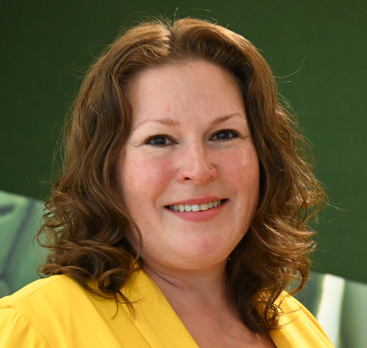
“By nourishing people, we nourish hope.“
How are your job training programs evolving?
The Food Depository concluded its hospitality job training program in mid-2025 as we prepared to launch a new paid, professional apprenticeship program for low-income community college students. Over the course of our hospitality training program’s last year, 79% of participants—or 52 Chicagoland community members—completed the full hospitality training course, obtaining hands-on experience, industry certifications in topics like food safety, and career coaching support like mock interviews and resume review. Among program graduates, 37 received and accepted employment offers at an average pay rate of $20 per hour, and 11 elected to pursue additional professional development or education opportunities.
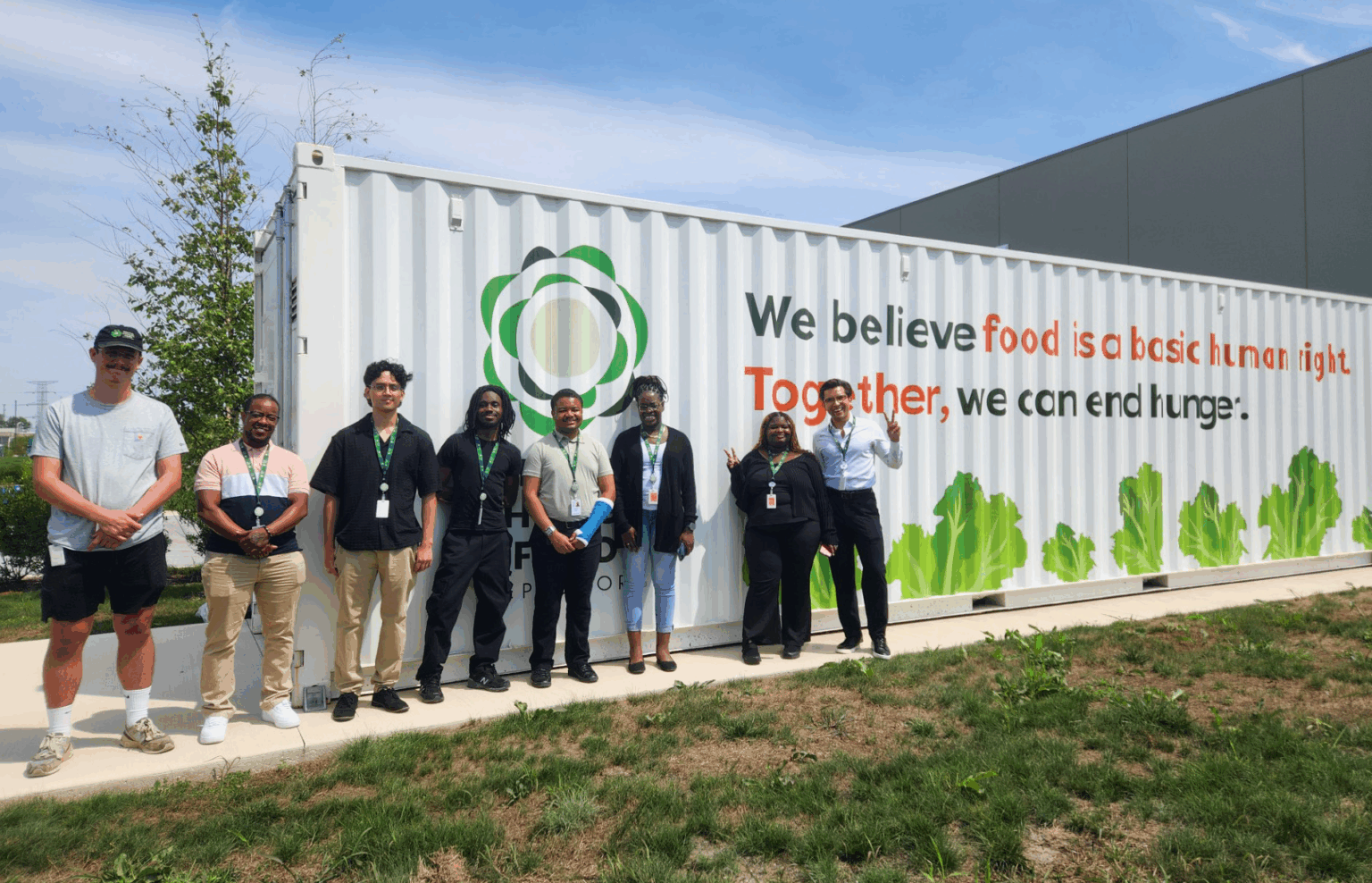
We recently launched the Career Apprenticeship Program, an exciting new partnership between the Greater Chicago Food Depository and the City Colleges of Chicago that helps City Colleges students achieve economic mobility through higher wages. The Program is an engaging, paid, 12-month apprenticeship that develops career skills, provides mentorship, and connects participants with potential employers in the Chicagoland area.
The program is a part of our new “Food Security for Life” Initiative, a groundbreaking program designed to end hunger among City Colleges students for a lifetime. In addition to the Career Apprenticeship Program, other supports we are developing to end hunger among City Colleges students include dynamic on-campus grocery markets, nutritionally balanced frozen meals to go, snack items at various campus locations, and on-campus assistance in signing up for public benefits like SNAP. By providing critical, multi-layered support to help students achieve their professional goals and secure a thriving wage, we are creating a pathway to lifelong food security and economic opportunity.
In August 2025, the Food Depository welcomed its first cohort of apprentices: seven talented students pursuing associate degrees in colleges across the City Colleges system. Participants have been matched to several departments within the Food Depository aligned with their career interests and studies, including Information Technology, Marketing and Communications, Development, Research and Evaluation, People and Culture, and Meal Production. Upon completion of their apprenticeship in July 2026, students will have gained invaluable work experience in their field of study and built a powerful professional network.
Has anything changed as part of your new strategic plan?
The Greater Chicago Food Depository publicly premiered its new strategic plan in September 2025. The plan is grounded by an ambitious vision: by 2030, every person in every neighborhood of Cook County will have reliable, dignified access to three meals a day—no matter their zip code, income, or circumstance.
Improving neighbors’ access to thriving wages and economic opportunity is a key strategic priority for the Food Depository as we work to realize this vision. Our partnership with City Colleges of Chicago to provide local students with food security and new pathways to thriving wage careers will play a significant role in our strategy.
Student hunger is a widespread yet often overlooked issue. Systemic inequities, rising living costs, and diminishing social supports are making it increasingly difficult for low-income college students to access nutritious food, both for themselves and for the family members they frequently support while pursuing their studies.
Through the Career Apprenticeship Program, City College of Chicago students can earn a living wage during the final year of their associate degree while gaining valuable work experience at the Food Depository. The apprenticeship and the connections and support students gain through this experience will set them on a path to financial stability, ultimately breaking the cycle of poverty faced by many of our neighbors in historically disinvested communities.
Apprentices work 20-25 hours per week at a rate of $21/hour, with opportunities to pursue extended working hours during school holidays. Beyond engaging in meaningful work relevant to their studies, students grow professionally throughout the apprenticeship through targeted training sessions and workshops that build their hard and soft workplace skills. Participants receive ongoing guidance and mentorship, ensuring that they are supported throughout their experience. Over the course of the year-long program, the Food Depository also hosts valuable networking opportunities with local businesses, connecting apprentices with professionals in their fields of interest and helping them build relationships that can support future career advancement.
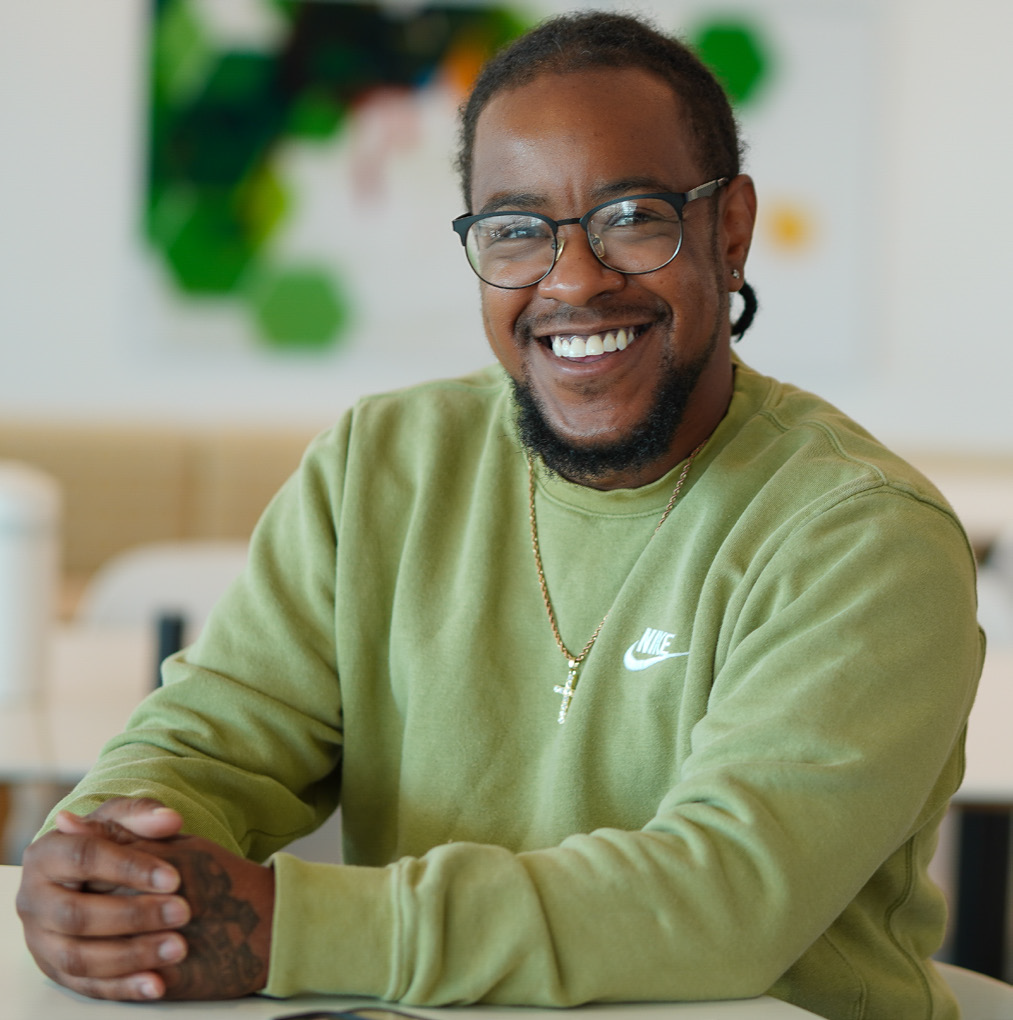
“I learned that I know more than I thought I did.”
-Donavan, a Career Apprenticeship Program Intern
What impact have you seen the job training programs have on participants and the community?
We are seeing our interns develop relevant career skills and invaluable empowerment tools that will set them up for success. For instance, Donavan, a student at Harold Washington College, joined the program to gain hands-on experience in his field. Through the Food Depository’s Career Apprenticeship Program, he is gaining experience in information technology, including asset management, hardware management, and technical issue resolution. By fulfilling technology needs, Donavan keeps the warehouse moving. “The [Food Depository’s] mission is to make sure everyone is fed, and if something shuts down or isn’t working properly, I can fix it to keep things running smoothly. In short, I help people help people.”
Just as important as the job-training skills Donavan is learning is the confidence he is gaining. “I set up a TV in the warehouse to help employees keep track of everything that’s happening, like things coming in and out and other important updates. I installed it completely by myself. I handled the desktop, the network, everything! That made me feel very proud.”
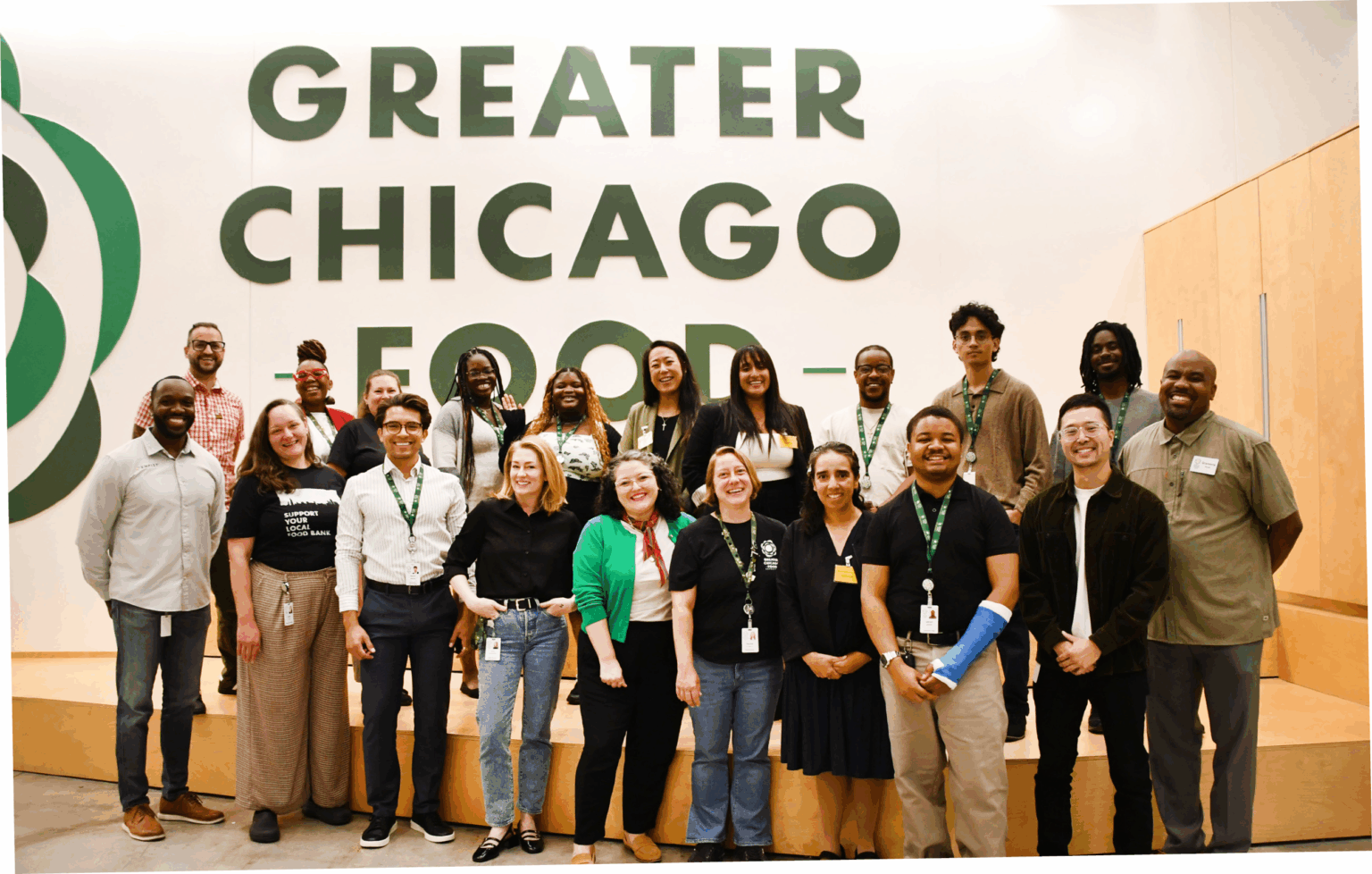
Photos and quotes for this story were provided by the Greater Chicago Food Depository.
Just the Facts
79%
of participants—or 52 community members—completed the full hospitality training course.
37
hospitality training course graduates received and accepted an employment offer at an average pay rate of $20 an hour.
7
interns started, they will complete in July of the newly launched Career Apprenticeship Program.
Get in Touch
If you would like to know more about the Food Depository’s training programs, please call 773-843-5414 or click here.
Grant Participant Since 2014.
Jewish United Fund
Rooted in collective action and responsibility, Jewish United Fund (JUF) provides lifesaving services and life-enriching experiences where they are needed most, including medical care, food assistance, job support, and mental health services.
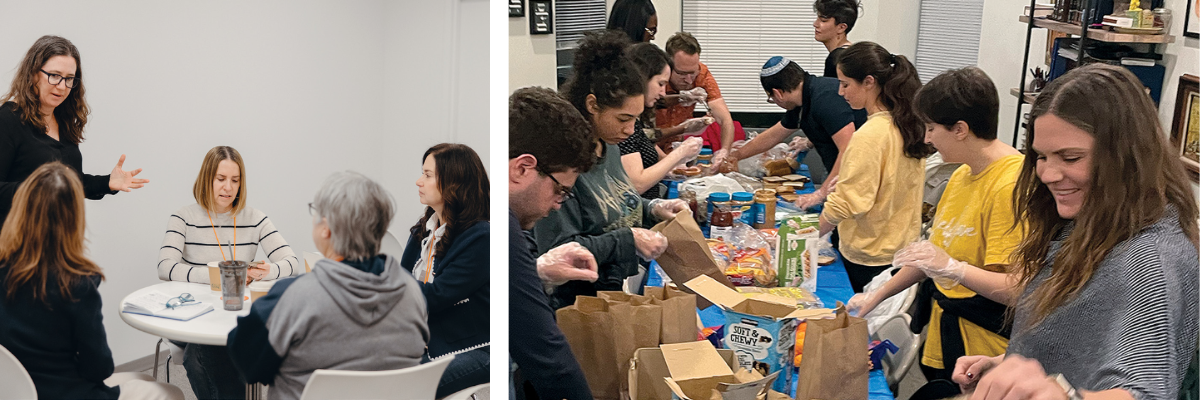
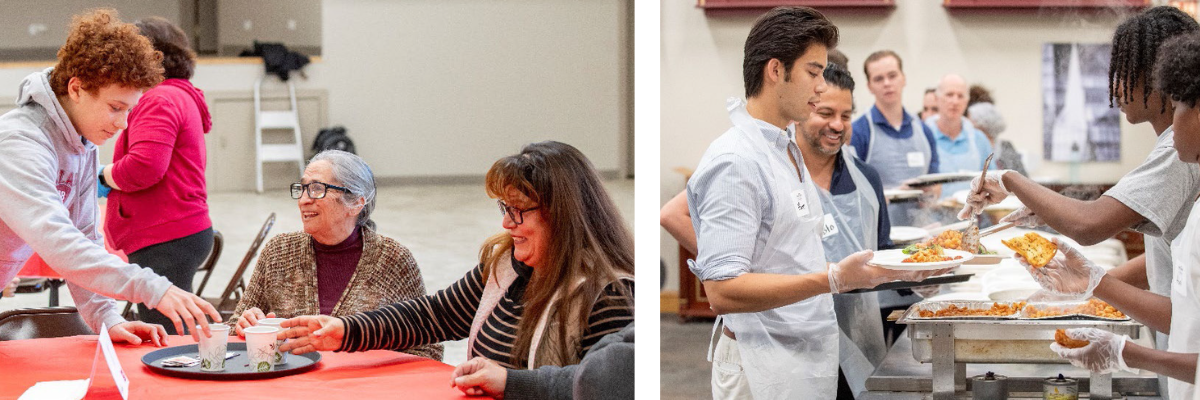
Combatting Antisemitism seminar, one of numerous trainings held by JUF and our partner agencies throughout the year. Right: JUF young adult program volunteers at Base Logan Square and Repair the World Chicago pack meals for the Night Ministry.
A Q&A with Lonnie Nasatir, President of Jewish United Fund

“The most rewarding elements of our work are the connections that we build with our community, here in Chicago and beyond.”
What is JUF’s mission?
JUF amplifies our community’s collective strength to make the world a better place for everyone. We mobilize the critical resources that bring food, refuge, health care, education, and emergency assistance to 500,000 Chicagoans of all faiths and Jews around the world. JUF funds a network of nearly 70 local agencies and programs that care for people at every stage of life, regardless of their ability to pay.
What is something people might not know about JUF?
JUF is one of the largest humanitarian organizations in the country. JUF stands at the heart of a vast network of agencies that serve people with nowhere else to turn. In 2025, our flagship agencies—CJE SeniorLife, JCFS Chicago, JCC Chicago, and Sinai Chicago—cared for tens of thousands of people. We help by providing everything from food and financial aid for people in crisis, to physical and mental health care, and career counseling for people looking for work. In addition, we offer support for people with disabilities, including a growing number of programs to ensure their inclusion in the community, plus specialized services and financial aid for Holocaust survivors, helping them continue to live with independence and dignity.
JUF is extremely proud of the work these agencies do, and their long legacy of accomplishments.
CJE SeniorLife provides innovative life-enrichment programs, supportive resources, healthcare, and research and education for older adults and their families throughout Chicago and the suburbs. CJE has been carrying out this work for more than 50 years, offering a variety of services to meet the diverse needs and preferences of their clients, whether they live in our CJE communities or in their own homes. CJE maintains a deep and abiding commitment to Jewish communal values, and to maintaining the dignity and independence of older people. CJE achieves this goal by creating quality programs for positive aging.
JCFS Chicago offers expert, individualized support to help people of all ages and abilities live successfully in their communities. Their team realizes the importance of enhancing social-emotional well-being for adults, children, teens, and families. Each year more than 22,000 children, teens, adults, and families turn to JCFS for help. You can find JCFS in places throughout the Chicago area, including the Chicago Loop, West Rogers Park, Skokie, Northbrook, and Buffalo Grove.
Certainly, many families across the area are familiar with JCC Chicago, and have firsthand experience using its recreational facilities and taking part in its cultural activities and educational events. JCC was founded in 1903 to serve the needs of the burgeoning population of Jewish immigrants in Chicago, and it has grown to now serve more than 24,000 Chicago-area children, adults, and families every year. JCC’s award-winning preschool programs, summer camps, and wide array of activities bring Jewish values to life through programs designed for everyone, from infants to adults.
Sinai Chicago is a network of four hospitals, 17 community clinics, one community institute, and one nationally recognized research institute. Its history dates back to 1919 when it was a 60-bed hospital designed to serve Eastern European Jewish immigrants and to train Jewish physicians who were then denied educational opportunities elsewhere. Today, the hospital serves communities on Chicago’s West and Southwest sides with a dedication that has grown stronger through the years.
What have been some of your most impactful programs in 2025?
This year, record antisemitism compelled JUF to assume wider responsibility in ensuring that our community could participate in Jewish life free from fear. In more than 200 instances in 2025, JUF’s experienced team of security experts was called upon to provide multifaceted security services to help safeguard Jewish institutions, programs, and events across the Chicago area.
To increase awareness of antisemitism in the greater community, JUF launched powerful, multi-channel media campaigns across the Chicago area. Our creative team developed eye-catching billboards placed in prime city and suburban locations alongside companion social media and digital advertising. All of this succeeded in bringing much-needed attention to the topic within the broader community.
In addition, as part of its civic engagement program, JUF began working at the grassroots level to help people fight antisemitism in their own neighborhoods and communities, including school districts, businesses, civic organizations, and municipal governments. The first phase included training 5,000 local administrators on how to address antisemitism in schools and empowering 1,000 parents and students to become advocates.
While the events of October 7, 2023, triggered waves of antisemitism, that day also unleashed a tremendous surge of Jewish pride and a new hunger for connection across our community. JUF responded by launching new opportunities for people of all ages to come together, connect to the community, and celebrate Jewish life. There has been a swell of interest in engagement in our local Jewish community across every age demographic over the last two years.
What are some of JUF’s priorities for 2026?
JUF will continue to do everything we can to expose and call out anti-Jewish hate and help ensure our community’s safety. At the same time, JUF will double down on our investment in Jewish life, learning, and community. In 2026, we will continue to create additional places and spaces where our community can show up—for each other and for the community.
We are especially proud that JUF has funded 14 young-adult initiatives that will foster new opportunities for Jewish youth in areas ranging from health and wellness, to Jewish arts and culture, professional development, interfaith programming, inclusion of young adults with disabilities, and Jewish education. We are excited to watch these programs grow and to see the great things that members of the next generation will achieve to benefit all of us.
What do you find most rewarding about working at JUF?
The most rewarding elements of our work are the connections that we build with our community, here in Chicago and beyond. JUF and our agencies connect with thousands of people in need, delivering services to children and families who lack enough to eat, Holocaust survivors living in isolation, people with disabilities hoping to live independently, and immigrants and refugees beginning new lives. At the same time, we connect our local Jewish community to the people of Israel, especially during times of crisis. Since the Hamas attacks of October 7, 2023, JUF has invested $65 million to help Israelis heal and recover, providing mental health support, economic relief, and emergency grants to people who were injured or who lost loved ones to terror.
I feel privileged to work with a team of professionals who create those connections and, as a result, are able to deliver support to people who need it most.
What do you find most rewarding about working at JUF?
The Tikkun Olam Volunteer (TOV) Network is JUF’s connection point for people who want to donate their time and talents to help others in need. In accordance with tikkun olam, the Jewish concept of repairing the world, TOV connects members of the Jewish community with rewarding volunteer opportunities that best match their interests and needs. You can contact Tov at tov@juf.org. Additional opportunities for connection, learning and engagement in Jewish life can be found at juf.org.

Just the Facts
45,000
people in need of all faiths received necessary medical care.
39,000
Chicagoans received mental health services.
20,428
individuals received food assistance, including meals, food bags, and packages provided by five community organizations.
Get in Touch
If you would like to know more about JUF, please email tov@juf.org or click here.
Many LP team members provide pro bono legal services or are active volunteers with or serve on the boards of civic and charitable organizations.
3
Giving
LP’s team members support various causes through pro bono work, volunteering their time, and serving in leadership positions with charitable and civic organizations.
Levenfeld Pearlstein’s Day of Service and Pro Bono Program
LP helped a client obtain asylum protection via the firm’s robust pro bono program and hosted a comprehensive Day of Service in September.
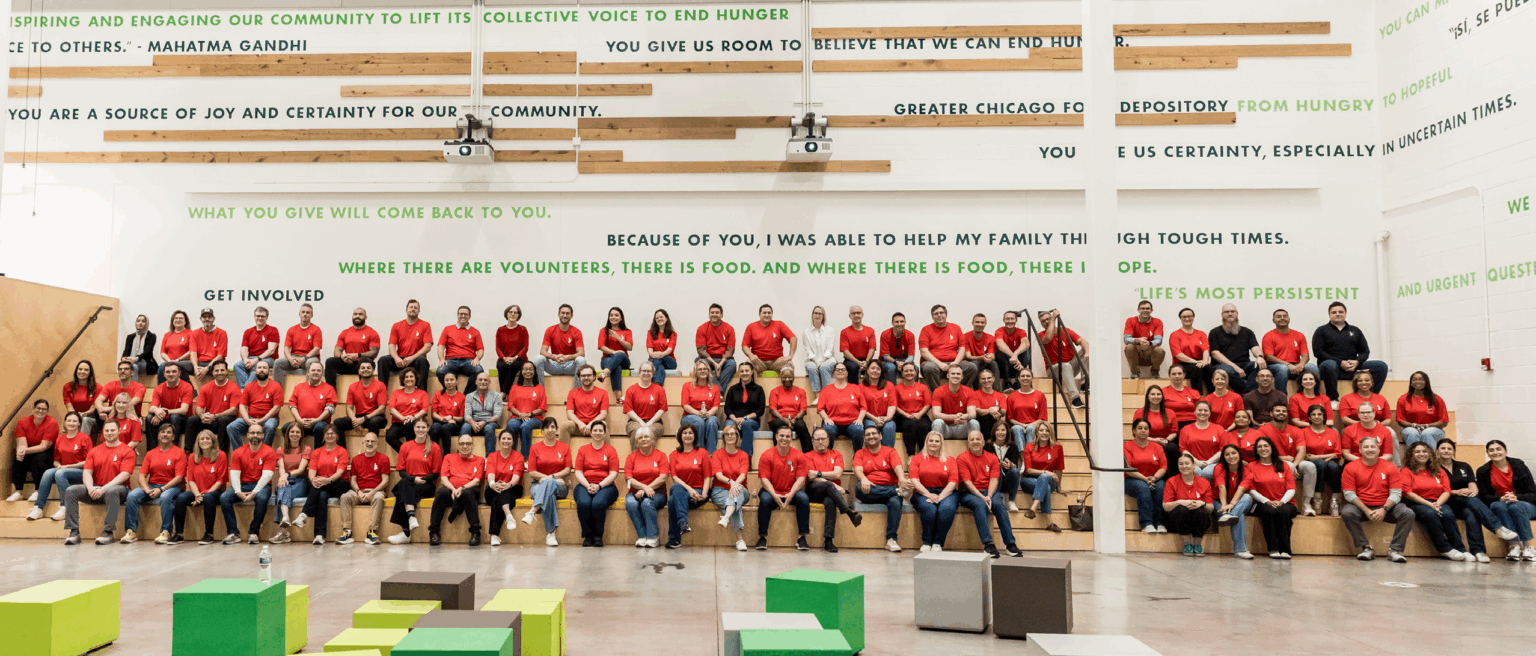
LP believes that law firms have a responsibility to actively encourage attorneys to participate in pro bono work. This commitment is fundamental to our identity and reflects the LP Way. Many of our attorneys regularly provide pro bono legal services to nonprofit organizations throughout the community.
Our dedication to pro bono representation is rooted in our desire to use our legal expertise to make a meaningful difference for others.
Not only is pro bono work rewarding and fulfilling, but it also yields exceptional and life-changing results for our clients. This year, LP team member Todd Peterson coordinated the pro bono representation of an Afghan national who fled the Taliban when the national government fell in August 2021. Through the Human Rights First Project: Afghan Legal Assistance, LP prepared and filed the individual’s I-485 Adjustment of Status (i.e. Green Card application) and related documentation. These efforts were instrumental in providing the client with a safer, more stable future.
LP also provides ongoing pro bono legal services to Community Partners for Affordable Housing, an organization that develops affordable housing and provides services that empower individuals and families to secure and retain quality housing. In the past year, Etahn Cohen, Tom Jaros, and Varun Chari helped the organization repurchase a leasehold interest in property as part of its community land trust program. Suzanne Karbarz Rovner is handling various construction disputes and Marc Fineman helped the client obtain several trademark registrations with the State of Illinois.
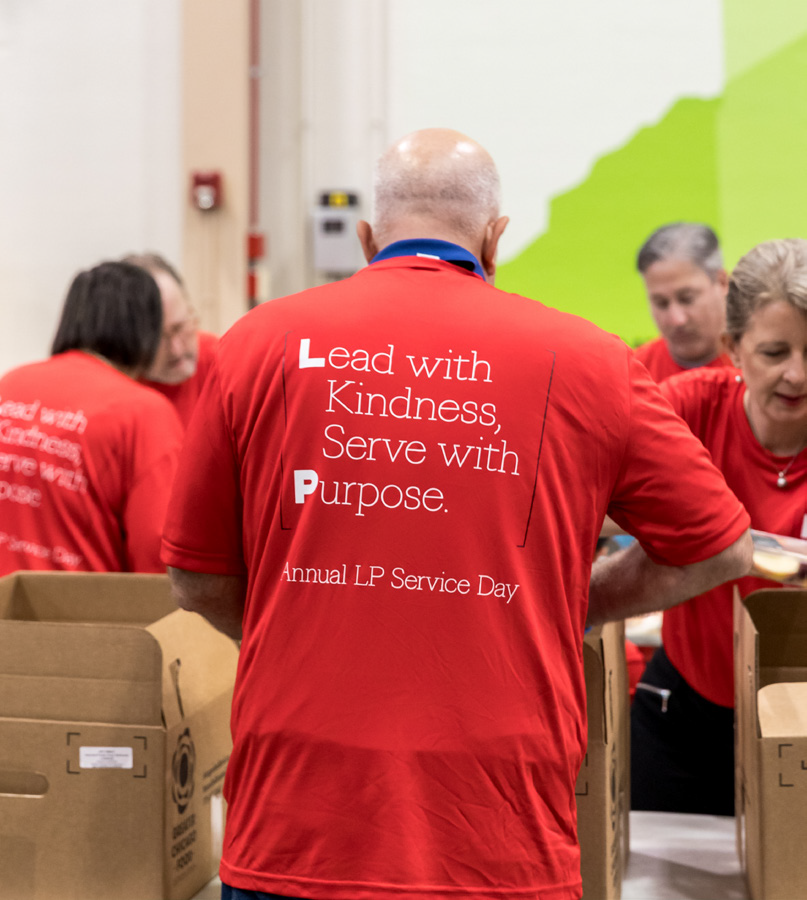
To strengthen connections within our team and with our community partners, LP organized a Day of Service in September 2025. On September 30, LP team members volunteered at the Greater Chicago Food Depository, participating in our annual “LP Day of Service.” Together, the team repacked 13,968 pounds of food, enabling the Food Depository to provide 11,640 meals to those in need. Volunteer-led repack sessions at the GCFD warehouse play a vital role in supporting the organization’s daily impact. Typical activities include repacking fresh produce and bulk food for distribution, sorting and labeling products, and assembling boxes of assorted food items.
Civic And Charitable Support
Many organizations in the Chicagoland area are doing immense good. In addition to our grant partners, LP’s team members personally support several charities, non-profits, and civic organizations. These are the people who have gone above and beyond by holding leadership positions in those organizations or by giving a substantial amount of their time to them.
A Giving Heart Foundation
Robert E. Connolly
Board Member
Alzheimer’s Association Illinois Chapter
David B. Solomon
Board Member
American Bankruptcy Institute
Lisa Vandesteeg
Member, Board of Directors
American-Israel Chamber of Commerce (Chicago)
Tal Izraeli
Board Member
American Mission Hospital, Bahrain
Suzanne L. Shier
Board Member
Bridge Leadership Academy
Tika D. Cole
Director of Operations
Bulletin of the Atomic Scientists
Robert D. LoPrete
Governing Board Member and Governance Committee
Camp Hope
Lilly C. Trkla
Director
Chicago Scholars Foundation
Suzanne L. Shier
Board Member, Officer, Executive Committee
Conway Farms Golf Club Foundation
Marc S. Zaslavsky
Board Member
Credit Abuse Resistance Education (CARE), Chicago Chapter
Jack R. O’Connor
Active Volunteer
Harold D. Israel
Board Member
Council For Jewish Elderly
Michael J. Tuchman
Volunteer, Adult Day Care Program
Stuart J. Kohn
Board Member
District 113 Education Foundation
George J. Spathis
Executive Committee and Co-Chair of Vision & Strategic Planning
Eli and Bessie Cohen Camps of Massachusetts, Inc. and Eli and Bessie Cohen Camps
Etahn M. Cohen
Chair of Board of Directors, Various Committees
Friends of the Chicago River
Lauren K. Flamang
Board Member
Friends of Lincoln Park High School
Suzanne Karbarz Rovner
Board Member
Girl Scouts of Greater Chicago and Northwest Indiana
Eileen M. Sethna
Project Law Track – Trial Coach
Glencoe Writers Theater
Adam S. Garber
Board Member
Greater Chicago Food Depository
Elizabeth C. O’Brien
Awards Dinner Committee
Green City Market
Mitchell J. Weinstein
Vice Chair of Board of Directors, Chair of Governance Committee
Harold Eisenberg Foundation
Marc S. Joseph
Executive Board Member
Hopeful Beginnings
Steven L. Kriz
Board Member
Illinois Holocaust Museum and Education Center
Robert A. Romanoff
Chair of the Board of Directors
Israel Institute
Robert A. Romanoff
Member, Board of Directors
Jewish Council for Youth Services
Benjamin M. Altshul
Board Member
Jewish United Fund
Marc S. Joseph
Facilities Board Member
Robert A. Romanoff
Member, Board of Directors
Joseph Sears School
Eileen M. Sethna
Parents’ Volunteer Association, Executive Board Member
Kids Hope USA
Suzanne L. Shier
Board Member, Officer, Executive Committee
Leadership Advisory Council for Cristo Rey
Katie M. Haas
Board Member
Misericordia Heart of Mercy
Eileen M. Sethna
Women’s Board Member, Advisory Board Member
National Center for Employee Ownership
David B. Solomon
Board Member
National MS Society
Jack R. O’Connor
Active Volunteer
Next Generation – United States Holocaust Museum
Jason B. Hirsh
Board Member
One Tail at a Time
Hope D. Robiolio
Active Volunteer
Reflectors Disability Ministry
Becky Jo Sewell
Active Volunteer
Rochelle Zell Jewish High School
Robert A. Romanoff
Member, Board of Directors, Endowment Fund
Saints Joseph and Francis Xavier Catholic Church
Eileen M. Sethna
Finance Council Member
Schaumberg Township Historical Society
Michael D. Reed
Secretary
Special Olympics of Illinois
Eileen M. Sethna
Member, Board of Directors
Spertus Institute for Jewish Learning and Leadership
Harold D. Israel
Chair of the Board of Trustees
St. Raphael Catholic School
Heidi A. Kight
President of Home & School
The Mary Crane Center
Suzanne Karbarz Rovner
Board Member
Trillium Foundation
James D. Brusslan
Board Member
University of Illinois Hillel
Harold D. Israel
Board of Governors, Chair of Governance Committee
Village of Deerfield Planning Commission
Blake E. Schulman
Commissioner
Village of La Grange Planning Commission
Jeffery D. Hoffenberg
Commissioner
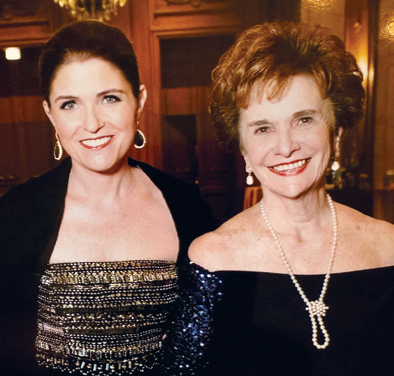
LP commends Partner Eileen Sethna for her longstanding and significant contributions to Misericordia. The organization recently recognized Eileen and her mother, Felice Madda, and the substantial impact they have had through their service on the Women’s Board and as Heart of Mercy Ball Chair.
“To serve Misericorida is to receive a gift far greater than anything you could ever give…each moment with the residents fills your heart in ways words cannot fully express. You are forever changed in the most meaningful ways and for the better.”
– Eileen Sethna
A Closer Look at Embarc Chicago
LP has worked with Lynn Jerath in a professional advisory capacity for several years. In addition to her role as founder and president of Citrine Investment Group, Lynn is also Chair of the Board of Directors of Embarc Chicago, an organization transforming education through experiential learning and teacher professional development.
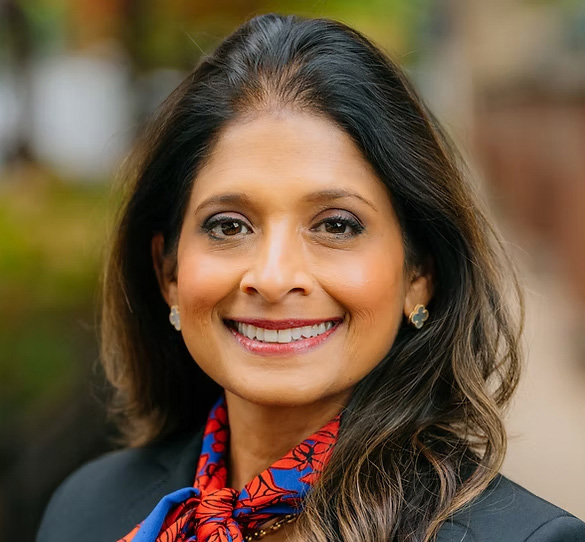
What are Embarc Chicago’s primary goals and mission?
Embarc was founded by two teachers at Harper High School in Chicago’s Englewood neighborhood who sought to bring together schools, communities, cultural institutions, and the private sector to holistically dissolve the borders in our city and our minds. Embarc breaks down barriers and dismantles systemic inequities in our education system by providing real-world, experience-based learning to students, teachers, and communities throughout Chicago. Embarc provides schools, communities, and partners with the tools they need to transform how schools integrate social-emotional development and experiential learning.
What was the vision for Embarc when it was created, and how has the organization evolved over the years?
I became actively involved in the organization in 2011, shortly after its founding. The organization’s model was compelling because of its focus on students’ holistic well-being across social, emotional, economic, and academic domains. Embarc strives to make every student feel like they matter, belong, and have a right to dream.
Because of its unique approach and positive results, over the past decade, Embarc has built a well-known, highly respected reputation nationwide as an optimal model for social-emotional learning. Our experiential learning opportunities are embedded in Chicago Public Schools programs and support ongoing learning through curriculum aligned with the research produced by UChicago, with over 14,000 students served via interactions with businesses, cultural programs, and communities in and beyond their neighborhoods.
Additionally, Embarc has supported over 4,600 educators, administrators, and third-party planners involved in the program. We have the support of Chicago Public Schools and funding from some of the largest philanthropic foundations in Chicago and across the nation—a testament to the significant impact Embarc has on students’ lives and the health of communities.
What direct impact does Embarc’s experiential learning model have on students, teachers, and their communities?
The impact is profound. Through learning-focused experiences – or “journeys” – students have access to people, spaces, opportunities, skills, passions, and/or interests they might not regularly encounter, which expands their understanding of who they are and can be. This is the magic of Embarc. Any time a student’s perspectives, opportunities, or sense of self are expanded, it creates a fundamental shift in the student, including their goals, classwork, and behavior.
\The impact extends beyond students as well. Teachers have additional tools to engage students in learning, and the community is strengthened by fostering relationships with young people. Exposure to new passions, interests, pathways, relationships, spaces, experiences, and skills builds a stronger community for and with the young people of Chicago.
What do you find most rewarding about your work with Embarc?
Knowing that we are having an authentic impact on students at an age when they can decide their life’s trajectory is incredibly rewarding. When a student is motivated and believes in themselves, external tools, such as scholarships, can be more effective.
A few years ago, I participated in a mock interview session with students from various high schools. They prepared their resumes, developed talking points, and networked with adults to practice these valuable professional skills. Watching the students earnestly hone these skills and seeing bridges built across generations and demographics in real time filled me with such optimism for the future. The learning isn’t one-way; both the students and the facilitators learn from each other. These are multilayered opportunities that take on a bigger role than the few hours or day of the experience because of the relationships that are formed.
How can people get involved with Embarc?
- Create or sponsor a curriculum-supported experience for students.
- Join our Executive and Auxiliary Board.
- Providing monetary support, financial donations.
- Contact us for other opportunities.
Click here to download a copy of this report.