To File or Not to File: Choosing Between Bankruptcy and Alternatives
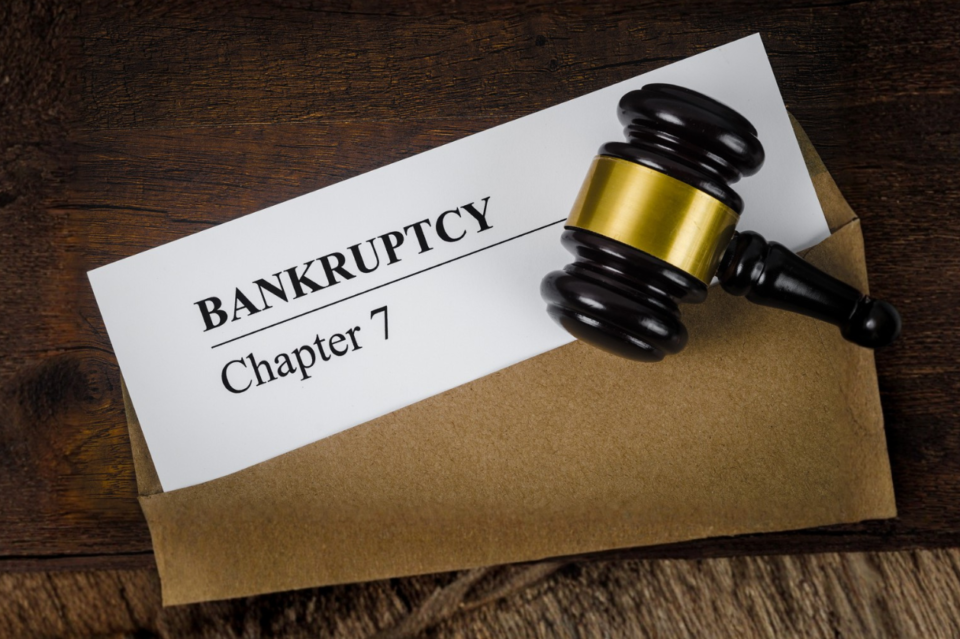
When a company faces financial distress, filing for bankruptcy is just one of many restructuring options. The choice between an in-court process and an out-of-court alternative turns on two central questions: What does the company hope to achieve by restructuring, and what is the value of its assets compared to its liabilities? By exploring options as early as possible in the process, companies can access a wider range of options. And clarity about the goal, whether a sale, a dissolution, or a true reorganization, makes it far easier to select the right path.
Bankruptcy’s Shifting Role in the Middle Market
Chapter 11 was once a primary reorganization tool for companies of all sizes. Rising professional fees mean that a contested bankruptcy can consume a significant portion of enterprise value, making formal filings impractical for smaller and middle-market companies. Over time, middle-market bankruptcies have become more often used as a vehicle for asset sales than for traditional reorganization, which raises the question of whether a less expensive out-of-court process could accomplish the same result.
Out-of-Court Alternatives for Sales and Dissolutions
Where the goal is a sale or wind-down, several mechanisms offer speed and cost savings:
- Article 9 sales allow a secured lender to foreclose on collateral and sell assets without court involvement, often completing a sale in weeks. Buyers accept more title risk than in a traditional bankruptcy sale, but that exposure is typically limited.
- Assignments for the benefit of creditors (ABCs) transfer assets to a neutral assignee who liquidates them and pays creditors. ABCs work well when stakeholders are aligned; they are less effective when creditors are adversarial or an automatic stay is needed.
- State receivership statutes, such as Illinois’s recently enacted Receivership Act, offer a court-supervised process with creditor protections approaching those of bankruptcy, at lower cost. They are best suited to companies that are willing to give up control to a court-appointed receiver and situations where the creditor constituencies prefer a court process as opposed to an out-of-court process.
When Reorganization Is the Goal
For companies that need a genuine balance-sheet restructuring, two mechanisms help limit the cost of a bankruptcy filing:
- Pre-packaged Chapter 11 filings negotiate and secure creditor votes before the petition is filed, compressing the bankruptcy timeline from months to weeks and sharply reducing fees.
- Subchapter V eliminates the creditors’ committee in most cases and streamlines confirmation for eligible small businesses. It has meaningfully expanded access to reorganization, but two issues limit its effectiveness: Courts have applied the “disposable income” standard inconsistently, creating plan confirmation risk, and the $3.4million debt ceiling excludes many middle-market companies that would otherwise benefit.
Choosing the right restructuring path is a complex decision. Companies that engage early and think clearly about their objectives will find a much broader set of tools than those who arrive in crisis mode with a default assumption that bankruptcy is the answer.
To view an interview of Harold and Jack discussing these topics for the TMA Chicago/Midwest (TMA) Podcast, hosted by Katten Restructuring Partner and Paul Musser, click here.
Facing questions about the best restructuring plan for your business? Reach out to Harold Israel, Jack O’Connor, or another member of LP’s Financial Services and Restructuring Group.