What Employers Need to Know About “NICU Leave”
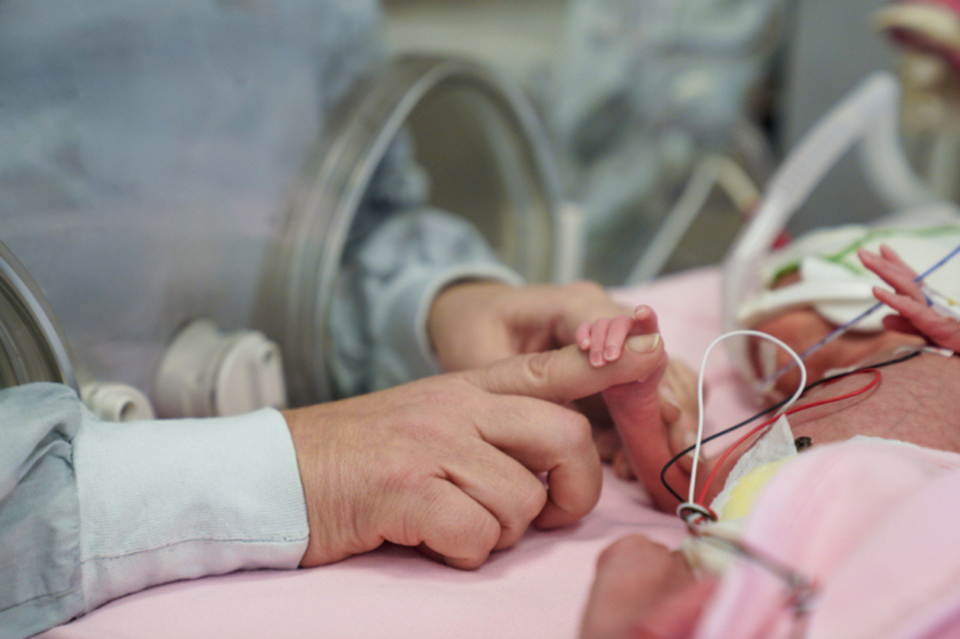
Most employers are familiar with the federal Family and Medical Leave Act (FMLA) and state paid family and medical leave programs. Leave specific to employees whose child is admitted to a neonatal intensive care unit (NICU), however, is a newer and distinct category of protected leave with its own rules, triggers, and notice requirements.
Understanding how the new NICU Leave laws work, and how they interact with existing leave entitlements, is essential for HR professionals and employment counsel navigating compliance.
Illinois
On June 1, 2026, the Illinois Family Neonatal Intensive Care Leave Act took effect, requiring Illinois employers with 16 or more employees to provide unpaid, job-protected leave to employees whose child is admitted to a NICU. The law is intended to give parents protected time to be present during a child’s NICU stay without requiring them to exhaust existing paid leave or risk job loss. Here’s what employers need to know:
Definitions
- The Act defines a “NICU” as a special care unit providing medical treatment to premature and critically ill infants
- The Act defines a “child” to include biological, adopted, foster, stepparent, legal ward, and in loco parentis relationships.
Length of Leave
- Employers with 16 to 50 employees must provide 10 days of leave.
- Employers with 51 or more employees must provide 20 days.
- The amount of leave is capped at the applicable statutory maximum or the length of the child’s NICU stay, whichever is less.
- Leave may be taken continuously or intermittently, at the employee’s election.
- Employers may require leave to be taken in minimum increments of at least two hours.
Interaction With Other Leave Laws
For employees eligible for FMLA leave, NICU leave is available upon completion of and in addition to FMLA leave. Employers cannot require use of paid leave instead of NICU leave. However, an employee may elect to substitute available paid or unpaid leave (including vacation, sick, family, medical, annual, personal, or similar leave) for an equivalent period of NICU leave.
Verification and Privacy Limits
Employers may request reasonable verification of the child’s NICU stay. However, employers may not request confidential medical information protected by HIPAA or other applicable law. Policies and forms should be narrowly tailored to confirm only the child’s length of stay in the NICU.
Enforcement
The Act provides for reinstatement, health-benefit maintenance, anti-retaliation, limited verification, IDOL enforcement, a 60-day filing/civil action period, and civil penalties up to $5,000 per affected employee.
How to Prepare
Illinois employers should review leave administration procedures now to ensure compliance with the new law. In particular, employers should prepare for another protected leave category that may overlap with FMLA, parental leave, paid leave, sick leave, disability accommodation processes, and collective bargaining agreement benefits. The law creates scheduling and coverage considerations, particularly because leave may be taken intermittently and in increments as short as two hours.
Employers should:
- Add a NICU leave policy to employee handbooks and leave materials.
- Update HR leave intake forms and workflows to identify NICU-related requests.
- Train HR, managers, and leave administrators on the prohibition against requiring employees to use paid leave first.
- Review FMLA coordination procedures to ensure NICU leave is treated as additional leave where required.
- Track leave separately from paid leave, sick leave, parental leave, and FMLA.
Colorado
Colorado’s Neonatal Care Leave took effect January 1, 2026, and expanded Colorado’s existing Family and Medical Leave Insurance (FAMLI) program to become the first state to provide paid leave specifically for employees caring for an infant hospitalized in a NICU. Here’s what employers need to know:
Definitions
- This law applies to newborn infants within the first 28 days of life.
- Coverage extends to parents of newborns admitted to a neonatal unit or a higher level of care.
- The definition of “parents” includes biological, adoptive, step, and foster parents, as well as individuals standing in loco parentis.
Length of Leave
- Employees are eligible for up to 12 weeks of leave per hospital admission, and the leave does not reduce or limit an employee’s entitlement to other types of FAMLI leave.
- Neonatal Care Leave is separate from the existing 12 weeks of paid FAMLI leave available to care for a new child, and it does not reduce an employee’s entitlement to bonding leave after the child is discharged from the NICU.
- As a result, employees may be eligible for up to a total of 24 weeks of paid FAMLI leave.
- Employees with serious health conditions related to pregnancy or childbirth complications may also be eligible for an additional four weeks.
- NICU leave may be taken only on an intermittent basis.
How Leave Interacts with FMLA
Colorado employers should be aware of an important and potentially costly interaction between FAMLI and the FMLA. While FAMLI leave automatically draws down an employee’s FMLA entitlement, the reverse is not true: An employer cannot require an employee taking FMLA leave to also designate that absence as FAMLI leave. This means a Colorado employee with a baby in the NICU could take up to 12 weeks of FMLA leave first, and then, once FMLA is exhausted, begin a separate period of FAMLI Neonatal Care Leave, followed by FAMLI bonding leave.
In some circumstances, this sequencing could result in an extended period of protected leave exceeding 24 weeks. The FAMLI Division’s position on this has not yet been tested in court, but employers should treat extended sequential leave as a real operational risk and plan accordingly.
FAMLI Leave Is Paid Leave
Neonatal Care Leave is paid through the FAMLI program, providing wage replacement while the newborn is receiving inpatient treatment. The leave lasts only for the duration of the child’s NICU stay. Because FAMLI wage replacement benefits cover only a portion of an employee’s wages, employees have the option to use accrued sick leave or annual leave to make up the difference.
Verification and Privacy
Employers should follow existing FAMLI procedures for confirming qualifying events, which involve claims filed directly with the state, limiting the employer’s direct role in obtaining or handling medical documentation.
NICU-specific leave laws remain relatively new, but they reflect a broader shift toward increasingly tailored, employee leave protections. With Illinois and Colorado leading the way, additional states, particularly those with established paid family leave programs like California, New York, New Jersey, and Massachusetts, are well-positioned to follow by incorporating NICU leave into existing frameworks. As these programs evolve, employers should anticipate continued expansion of highly specific leave categories and plan for increased complexity in coordinating overlapping entitlements and extended leave durations.
Revised Leave Rules in the City of Chicago
In addition to these NICU-specific rules, employers also need to know that the City of Chicago revised rules effective June 1, 2026, for implementing the City’s Paid Leave and Paid Sick and Safe Leave Ordinance. The revisions do not rewrite the ordinance, but they clarify several issues that are important for employer compliance.
Chicago’s ordinance generally requires covered employees to accrue paid leave and paid sick leave for hours worked within the city of Chicago. The 2026 rules clarify the following:
- Accrual: Non-exempt employees accrue leave on all hours worked, including overtime, while accrual for exempt employees is capped at 40 hours per workweek
- Joint-employer obligations: Where an employee is jointly employed by more than one employer, each joint employer is responsible for compliance, and jointly employed workers must be counted in each joint employer’s headcount, regardless of which entity places the employee on payroll.
- Permissible uses of paid sick leave: Employees may use paid sick leave when a child’s place of care has an unscheduled closure. “Place of care” is defined broadly and may include formal childcare providers, afterschool programs, summer camps, paid babysitters, or family/friends who supervise the child.
- Combined PTO policies: Employers may maintain a combined PTO policy, provided the policy allows employees to accrue up to 80 hours of paid time off and otherwise meets or exceeds the ordinance’s requirements. Employers should review combined PTO policies carefully to ensure they satisfy both the paid leave and paid sick leave components of the ordinance.
- Transfer of accrued and unused leave: Employers must transfer accrued and unused leave to a successor employer, and failure to do so may result in liability for the predecessor employer, successor employer, and any joint employer.
- Addressing abuse of leave: Employers may address paid sick leave abuse, but any discipline should be supported by objective evidence of misuse, such as repeated unscheduled absences around weekends, holidays, scheduled days off, vacation, paydays, or dates when other leave was denied.
Chicago employers should review leave policies, PTO policies, handbook language, posting practices, joint-employer arrangements, and payroll and leave tracking systems to ensure they reflect the City’s updated rules.
Questions about how to comply with new NICU Leave and related laws? Reach out to Deja Davis or another member of LP’s Employment & Executive Compensation Group.