Data Center Real Estate Development in a Fragmented Regulatory Environment
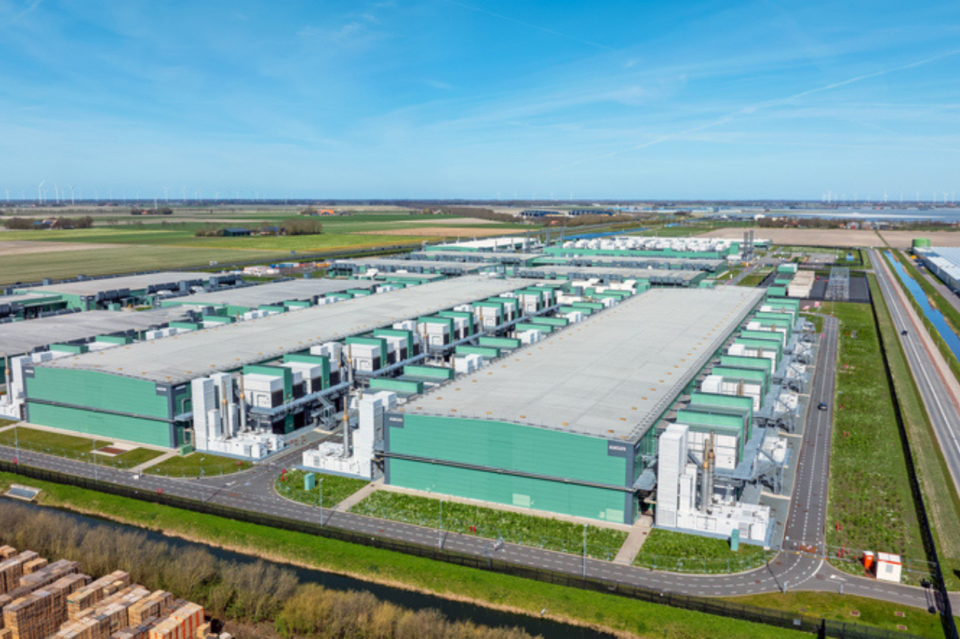
Real estate transactions tied to potential data center sites are navigating an increasingly complex and fragmented regulatory environment across the United States. States that once competed aggressively for data center investment through tax breaks and streamlined permitting are increasingly pivoting toward oversight: scrutinizing energy consumption, water use, and environmental impact in ways that can fundamentally alter a deal’s economics.
Given this evolving landscape, data center land transactions require special considerations beyond the standard real estate deal playbook. Below are three emerging best practices.
Conduct Deeper Regulatory Due Diligence
Because the regulatory picture is fragmented, and fast-moving, due diligence for data center sites must go well beyond title searches and environmental phase assessments. Counsel should review not only current zoning and land use approvals but also any pending legislative or administrative proceedings at the state and local level that could affect the site. This means monitoring state utility commission dockets, reviewing whether the relevant utility has grid capacity to serve the load, and understanding whether any moratoriums, even informal ones, are in play.
Build Longer Contingency Periods Into Contracts
Traditional due diligence windows (often 30 to 60 days) are generally inadequate for data center transactions. The regulatory inquiries described above take time. Utility interconnection studies alone can stretch for months. Entitlement processes in jurisdictions now scrutinizing data center applications may require environmental review, public hearings, or multiple agency sign-offs.
Extended feasibility periods of 90 to 180 days, and sometimes longer for larger campuses, with clearly defined milestones and termination rights tied to specific regulatory outcomes, create more breathing room. Contracts should also include provisions allowing buyers to terminate if any material change in applicable law occurs during the contingency period.
Carefully Evaluate Incentive Stability Before Underwriting a Project
Many data center projects have been underwritten on the assumption that state and local incentives (sales tax exemptions on equipment, property tax abatements, discounted power rates) will remain in place over a multi-decade horizon. That assumption now requires careful consideration.
Investors should treat any projected incentive as a risk factor, not a given. Before closing, counsel should review the statutory basis for any applicable incentive, assess its durability, and flag any pending legislative activity that could modify or repeal it.
The data center land transaction market remains active and full of opportunity. But the regulatory environment has matured, and the approach to these complex deals must match that complexity. Investors who build these practices into their acquisition process will be far better positioned to close deals that perform as projected.
Facing questions about a transaction that involves a data center? Reach out to Daniel Crowley or another member of LP’s Real Estate Group for help navigating this complex environment.